
Effective car paint correction permanently removes surface defects like swirl marks and scratches through systematic decontamination, precise machine compounding, and ultra-fine polishing. By utilizing specialized dual-action polishers and digital paint depth gauges, professional technicians safely level the clear coat to restore a flawless, mirror-like reflection. The ultimate success of the process depends on tailoring the correction stages to the specific hardness of the vehicle’s paint and sealing the restored surface with a long-term protective barrier.
Over time, daily driving and improper washing leave fine scratches and dullness in your clear coat. Fortunately, you do not need a costly respray to fix this. Through precise paint correction, the true clarity and depth of your vehicle’s factory finish can be safely uncovered.
Understanding the Science of Paint Imperfections
Your car’s factory paint consists of three layers: primer, base coat, and the clear coat. The clear coat shields against UV rays and debris, but it is also where 90% of visual defects live. When light hits a scratched or swirled clear coat, the rays scatter in multiple directions instead of bouncing straight back, making the paint look dull, hazy, or faded.
Common Types of Surface Defects
- Swirl Marks: Fine, circular scratches usually caused by automatic car washes or dirty washing mitts.
- RTMs (Random Deep Scratches): Linear scratches that penetrate deeper into the clear coat, often caused by bushes, keys, or road debris.
- Water Spot Etching: Mineral deposits from hard water that bake under the sun, eating into the clear coat.
- Oxidation: A chalky, dull appearance caused by prolonged UV exposure without adequate protection.
True paint correction is not about filling or hiding these scratches with temporary waxes or glazes. Instead, it is the deliberate, microscopic leveling of the clear coat until it is perfectly flat again. When the surface is entirely level, light reflects uniformly, producing a breathtaking, deep gloss.
How to Perform Multi-Stage Paint Correction Safely
Achieving a flawless finish demands patience, specialized equipment, and a strict sequence of steps. Skipping a single phase can lead to sub-par results or, worse, permanent damage to your vehicle’s delicate clear coat.
Step 1: Deep Decontamination Washing
Machine polishing over trapped dirt, iron, or road tar will drag those particles across the panel, creating deeper scratches. The process begins with a high-foaming strip wash to remove old sealants, followed by a chemical iron remover to dissolve embedded brake dust. A mechanical clay bar treatment then clears any remaining bonded contaminants, leaving a perfectly smooth canvas.
Step 2: Microscopic Paint Depth Analysis
A vehicle’s clear coat is incredibly thin, usually measuring just 35 to 50 microns. To prevent over-thinning and premature paint failure, technicians use an electronic paint depth gauge to measure the total thickness across all panels. This vital safety step determines exactly how much clear coat is available to safely work with.
Step 3: The Heavy Correction Stage (Compounding)
After taping off delicate trim, deep defects and heavy swirls are tackled using a dual-action or rotary polisher paired with a cutting microfiber or wool pad and abrasive compound. Moving in a tight, overlapping grid pattern, this stage levels the peaks of the clear coat to match the depth of the scratches.
Step 4: The Refining and Jewel Stage (Polishing)
Because heavy compounding can leave behind a minor haze or micro-marring, a refining stage is required to perfect the finish. Technicians switch to a soft foam pad and an ultra-fine finishing polish, rounding off microscopic edges to restore absolute clarity, depth, and gloss.
Comparing Correction Levels and Performance
To help you understand what stage of refinement your vehicle might require, it helps to look at how defects map to different professional approaches:
| Correction Level | Primary Target Defects | Expected Defect Removal | Equipment & Materials Used |
| Stage 1: Gloss Enhancement | Light haze, minor micro-marring, dullness | 50% – 60% Defect Removal | Finishing pad + Ultra-fine polish |
| Stage 2: Two-Step Correction | Moderate swirl marks, light water spots, light scratches | 80% – 90% Defect Removal | Cutting microfiber pad + Compound followed by finishing foam pad + Polish |
| Stage 3: Major Multi-Step | Deep random scratches, heavy oxidation, severe etching | 95%+ Defect Removal | Heavy wool/microfiber cutting pad + Compound, intermediate foam pad, and ultra-fine jewel polish |
Our Proprietary Approach to Vehicle Refinement
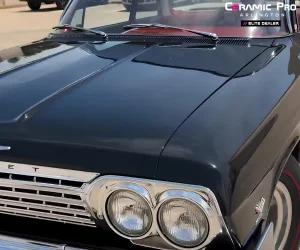
At Ceramic Pro Arlington, we reject the one-size-fits-all approach. Because factory clear coats vary drastically from incredibly soft to rock-hard, we use industry-leading technology and advanced diagnostic lighting to catch every hidden hologram and micro-swirl, delivering a finish that routinely exceeds factory standards.
A core pillar of our philosophy is a deep commitment to customer education. We walk you through your vehicle’s exact paint depth measurements and explain what can safely be achieved, fostering a sense of trust and confidence in services provided by our team.
Finally, we design customized solutions tailored to your driving habits. Whether you need to perfect a weekend exotic or protect a daily driver from harsh highway debris, we adapt our correction stages and protection packages to match your specific goals and budget.
The Ultimate Protection: Locking in the Perfection
Leveling your clear coat is only half the battle; raw paint remains highly vulnerable to UV damage, bird droppings, and environmental fallout. To preserve this hard work, the surface must be sealed immediately using advanced protection techniques.
As a certified Ceramic Pro Elite Dealer, we skip short-lived waxes and apply professional-grade ceramic coatings or paint protection film (PPF) to create a durable, sacrificial barrier.
This establishes an unparalleled service and protection ecosystem. The nanoceramic coating fills microscopic pores to make the surface ultra-hydrophobic, meaning dirt washes away effortlessly. For maximum defense against rock chips, combining our precise paint correction with a custom-fit PPF permanently locks in your vehicle’s value and beauty.
Why Local Car Owners Trust Professional Craftsmanship
Maintaining a pristine vehicle in a rapidly growing region comes with unique challenges. Local drivers regularly face construction dust, heavy highway debris, intense summer heat, and unpredictable seasonal storms that can quickly degrade a vehicle’s exterior.
When searching for high-end automotive care, local enthusiasts demand a professional and trustworthy provider who understands the value of quality craftsmanship. For premium paint correction in Arlington, TX, vehicle owners choose specialized facilities that hold themselves to elite dealer standards.
Whether you are cruising down Cooper Street or commuting near the sub-neighborhoods of Mansfield, your car is constantly subjected to environmental stressors that cause micro-abrasions. Our highly trained technicians have spent years mastering the delicate nuances of clear coat mechanics. We routinely perform audits and custom paint correction in Arlington for discerning clients who want their daily drivers or weekend show cars to stand out from the crowd.
Handling delicate clear coats requires extensive training and a delicate touch; an inexperienced hand with a high-speed rotary buffer can easily burn through the paint, causing irreversible damage. Choosing a certified professional ensures that your vehicle receives the safest, most effective Arlington paint correction available, backed by industry-leading products and a lifetime commitment to excellence.
People Also Ask
What is the difference between car polishing and paint correction?
Car polishing is a single-step process that uses mild abrasives to enhance gloss and clean the paint surface, often masking minor defects temporarily. Paint correction is a rigorous, multi-stage mechanical leveling process that uses paint depth gauges and compounding to permanently eliminate scratches, swirl marks, and etching from the clear coat.
Does paint correction remove all scratches?
Paint correction can safely remove any scratch that resides strictly within the clear coat layer (typically 80-90% of surface imperfections). If a scratch has penetrated through the clear coat down to the colored base coat or primer (which you can often catch with a fingernail), it cannot be completely polished out and may require touch-up paint or localized wet sanding.
How long does a professional paint correction service take?
Depending on the size of the vehicle and the severity of the defects. A single-stage gloss enhancement can often be completed in a full day, whereas a multi-stage major correction requires multiple days of meticulous machine work.
Will the paint correction thin out my car’s clear coat too much?
When performed by a trained professional using a digital paint depth gauge, paint correction removes only a microscopic fraction of the clear coat. This safely eliminates defects while leaving ample clear coat intact to preserve the structural integrity and UV protection of the factory paint.
Ready to Restore Your Vehicle’s True Shine?
If you are tired of looking at unsightly swirl marks and dull paint under the Texas sun, it is time to experience the difference that true professional craftsmanship can make. Your vehicle deserves an elevated level of care that preserves its look, maximizes its resale value, and restores your pride of ownership. Explore our dedicated options at Ceramic Pro Arlington and discover how our certified technicians can completely transform your vehicle’s finish.
Contact us today to request a personalized quote, schedule an inspection, or discuss a customized protection plan tailored perfectly to your lifestyle.
