
Key factors to consider before installing paint protection film include evaluating paint condition, selecting film quality and coverage, verifying installer expertise, and planning for ongoing maintenance. Proper surface prep prevents sealing in swirl marks, while choosing high-grade, self-healing thermoplastic polyurethane applied by certified technicians ensures maximum clarity, durability, and resale value.
Multi-layer clear bra technology protects factory paint against stone chips, road debris, and severe UV damage. Achieving a seamless, invisible defense requires thorough planning long before applying the first panel.
Evaluating Paint Condition and Surface Preparation
When evaluating protective solutions, vehicle owners in North Texas must consider several core variables that directly influence longevity and clarity. Choosing a top-tier provider for Duncanville paint protection film ensures your vehicle receives full-surface defense against severe highway gravel splatter and harsh UV degradation.
Paint protection film acts as a crystal-clear shield over factory paint, meaning any existing imperfection under the film remains permanently visible. Addressing surface health before installation is critical to achieving a flawless outcome.
Pre-Installation Inspection Protocols
Before applying film, a comprehensive paint evaluation must be conducted. Technicians analyze clear coat depth, factory paint thickness variations, micro-scratch density, and swirl patterns across every panel. During a recent audit for a firm in Dallas, master technicians observed that even brand-new vehicles straight from the dealership transport fleet often carry severe iron contamination, rail dust, and buffer trails from hasty dealer prep.
- Decontamination: Washing, chemical iron removal, and clay bar treatment strip embedded road tar and industrial fallout.
- Paint Correction: Precision machine polishing levels microscopic clear coat ridges, eliminating swirl marks and scratches before encapsulation.
- Surface Cleansing: Isopropyl alcohol wipes strip remaining polish oils to ensure maximum adhesive bonding.
The Role of Paint Correction
Installing film over compromised clear coat traps light-diffracting scratches beneath a smooth barrier, reducing gloss and clarity. Carrying out single-stage or multi-stage paint correction ensures the underlying paint achieves a mirror-like finish prior to film application.
Understanding Film Material Quality and Key Properties
Not all clear films perform identically. The chemical composition of the film governs its clarity, resistance to yellowing, self-healing capability, and stain endurance.
| Feature | Standard Urethane Film | Premium TPU (Thermoplastic Polyurethane) |
| Material Base | Basic Urethane / PVC Blends | High-Grade Thermoplastic Polyurethane |
| Self-Healing Topcoat | None or Minimal | Elastomeric Polymer Topcoat (Heals with Heat) |
| UV & Stain Resistance | Prone to Yellowing & Discoloration | Hydrophobic Topcoat Blocks UV & Stains |
| Impact Absorption | Moderate | High Elasticity Absorbs Heavy Debris Impact |
| Longevity Expectancy | 2 – 5 Years | Up to 10+ Years with Proper Care |
Self-Healing Elastomeric Topcoats
High-performance films feature an elastomeric topcoat that retains shape memory. When light scratches, wash swirls, or scuffs occur, ambient heat from sunlight or warm water relaxes the polymer chains, causing fine surface defects to self-heal within minutes.
Hydrophobic Properties and UV Blockers
Advanced films integrate hydrophobic ceramic properties directly into their top surface. This hydrophobic surface repels water, mud, and road grime, making maintenance washing effortless while preventing bird dropping etchings and tree sap stains from penetrating the underlying clear coat.
Selecting Coverage Options Based on Driving Habits
Determining the appropriate level of coverage requires assessing how and where the vehicle is driven daily. Coverage plans range from partial front-end protection to full vehicle wraps.
Evaluating daily driving routes helps determine whether high-impact areas like bumper covers and rocker panels require dedicated shielding. Vehicle owners seeking high-grade paint protection film in Duncanville often discover that tailored coverage packages prevent premature clear coat wear and maintain flawless factory paint for years.
High-Impact Zones vs. Complete Encapsulation
Front bumpers, hood leading edges, headlight lenses, side mirrors, and lower side skirts experience the highest concentration of road debris. Full front wraps eliminate visible seams across the center of the hood, creating an invisible transition between protected and exposed bodywork. Complete vehicle encapsulation provides total peace of mind against parking lot door dings, luggage scuffs, and environmental weathering across every square inch of paintwork.
Precision Installation Methods and Workmanship Standards
The longevity and aesthetic outcome of clear film rely heavily on the installer’s skill, facility cleanliness, and cutting methodology.
Pre-Cut Patterns vs. Custom Bulk Installations
Modern installations utilize advanced CAD software to plot patterns custom-tailored to exact vehicle panel dimensions.
- Computer-Plotted Patterns: Eliminate the risk of razor blades touching factory paint while providing rounded, stress-relieved corners.
- Extended Panel Edges: Software patterns can be modified to extend margins by several millimeters, allowing technicians to wrap edges inside door jambs, fender wells, and hood seams for a completely seamless finish.
Cleanroom Installation Conditions
Dust contamination during application creates permanent airborne debris pockets under the film. Clean, climate-controlled installation bays equipped with air filtration, specialized lighting grids, and purified water slip solutions prevent air bubbles, silvering, and lint contamination under the adhesive layer.
Advanced Protection Techniques and Tailored Solutions
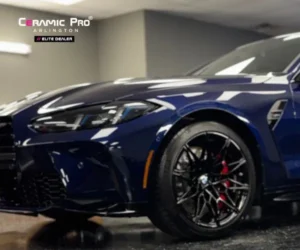
As a Ceramic Pro Elite Dealer, Ceramic Pro Arlington delivers exceptional vehicle protection through advanced protection techniques and customized solutions. Our certified technicians use industry-leading technology including proprietary topcoats layered over clear bras to boost gloss, enhance hydrophobic self-cleaning, and guard against environmental damage.
Driven by a commitment to customer education, we provide transparent consultations on film specs, warranties, and care. This dedication is key to fostering a sense of trust and confidence in services, ensuring your investment receives unparalleled service and protection.
A vehicle owner seeking long-term surface preservation for paint protection film in Duncanville, TX recently noted that understanding material physics and edge-wrapping techniques provided total confidence when selecting a protective package.
Long-Term Maintenance and Warranty Coverage
To preserve optical clarity and ensure long-term adhesive stability, proper post-installation care protocols must be maintained.
Curing Phase Protocols
Following installation, the film requires a curing window of 7 to 14 days depending on ambient humidity and sunlight exposure. During this period:
- Avoid washing the vehicle or spraying high-pressure water directly along panel seams.
- Allow moisture slip solution under the film to fully evaporate through the breathable polyurethane matrix.
- Refrain from pushing or picking at micro-moisture bubbles, as they will dissipate naturally during solar curing.
Routine Maintenance Guidelines
Once cured, maintain film performance using proper wash methods. Utilize two-bucket hand washing techniques with pH-neutral automotive shampoos. Avoid abrasive polishes, petroleum-based waxes, or harsh solvent cleaners that could mar the elastomeric topcoat.
Inspecting warranty terms is equally important. Premium installations carry comprehensive multi-year warranties covering bubbling, yellowing, cracking, peeling, and delamination. Partnering with a factory-authorized service provider ensures warranty claims are fully backed by both manufacturer support and dealer installation standards.
People Also Ask
How long does paint protection film last?
Premium thermoplastic polyurethane films last between 7 and 10+ years when properly maintained. Longevity depends on material quality, environmental exposure, driving frequency, and adherence to recommended hand-washing practices.
Will installing a clear bra ruin my factory paint upon removal?
No, high-quality film engineered with acrylic adhesives will not damage sound OEM factory paint during professional removal. Steam and specialized lifting techniques allow technicians to peel the film away cleanly without leaving residual adhesive or pulling a clear coat.
Can you apply ceramic coating over paint protection film?
Yes, applying a ceramic coating formulated for polyurethane surfaces enhances hydrophobic properties, slickness, and chemical resistance. This combination makes washing easier and helps keep the film clean over time.
What is the difference between paint protection film and ceramic coating?
Paint protection film is a thick polyurethane barrier designed to absorb physical impacts from gravel, stone chips, and scratches. Ceramic coating is a thin liquid polymer that bonds to surfaces to provide hydrophobic properties, chemical protection, and gloss, but cannot absorb physical rock impacts.
Schedule Your Premium Protection Consultation
Protecting your vehicle’s appearance requires precision craftsmanship, premium materials, and dedicated expertise. At Ceramic Pro Arlington, we deliver an elevated service experience centered around quality, continuous learning, and customer satisfaction. From our clean, modern facility to our certified technicians, every detail reflects our commitment to excellence.
Ready to safeguard your vehicle’s finish with custom protection solutions? Contact us today to request a quote or schedule your consultation.
