

Paint protection film is widely considered the ultimate solution for scratched cars because it creates a durable, transparent barrier that shields vehicle paint from chips, debris, and surface abrasions. By absorbing impacts and preventing contaminants from reaching the paint, this protective layer helps maintain a vehicle’s appearance and long-term value.
What Is Paint Protection Film and How Does It Work?
Paint protection film is a transparent urethane layer applied to a vehicle’s painted surfaces to protect against scratches, chips, and stains from everyday driving conditions. The film acts as a physical barrier between the vehicle’s paint and external hazards, such as road debris, gravel, and other environmental contaminants.
Unlike temporary surface treatments, the film is engineered to withstand repeated impacts without damaging the paint underneath. The material is flexible, durable, and designed to conform closely to the contours of the vehicle, making it almost invisible once installed.
Many drivers begin researching protective solutions after noticing how quickly road conditions can affect a vehicle’s finish. During a recent consultation with a driver exploring paint protection film in Arlington, TX, they explained that daily commuting had already caused several small chips along the front of their vehicle. Situations like this illustrate why protective film is often installed early to prevent damage before it occurs.
How Paint Protection Film Prevents Scratches
Understanding how the protective layer works helps explain why it has become a preferred option for preserving vehicle paint.
Impact Absorption
The film is designed with flexible layers that absorb the force of small impacts. When gravel or debris strikes the vehicle, the protective layer distributes energy across the film rather than allowing it to penetrate the paint.
Self-Healing Surface
Modern paint protection film uses advanced materials that can reduce the appearance of minor surface scratches. When exposed to heat from sunlight or warm water, the film can return to its original form, helping restore the surface’s smooth finish.
Resistance to Contaminants
Vehicles are constantly exposed to substances like bird droppings, tree sap, and road residue. The film creates a barrier that prevents these materials from bonding directly with the paint.
Water Repelling Properties
Many protective films also feature hydrophobic surfaces that encourage water to bead up and roll off the vehicle. This reduces the amount of dirt and residue that remains on the exterior.
Key Reasons Vehicle Owners Choose Paint Protection Film
Vehicle owners often choose paint protection film for its practical benefits in preserving the exterior finish.
1. Defense Against Road Debris
Small rocks and gravel kicked up by other vehicles are one of the most common causes of paint damage. Protective film absorbs these impacts before they reach the paint surface.
2. Preservation of Factory Paint
Original factory paint is difficult to replicate perfectly once it has been damaged. Protecting it helps maintain the vehicle’s authentic appearance.
3. Long-Term Surface Protection
Because the film is designed for durability, it can provide protection for years when properly installed and maintained.
4. Nearly Invisible Coverage
The film’s transparency allows it to protect the vehicle without altering its appearance.
5. Improved Resale Appeal
Vehicles with well-preserved paint often attract more interest because their exteriors show fewer signs of wear.
In another example, a vehicle owner researching Arlington paint protection film explained that frequent highway driving had caused several chips along the hood edge of their vehicle. Preventive protection helps reduce these types of issues over time.
Areas of a Vehicle Most Vulnerable to Scratches
Certain parts of a vehicle are more exposed to debris and everyday wear than others.
High Impact Zones
- Front bumper
- Leading edge of the hood
- Side mirrors
- Wheel arches
- Door edges
- Rocker panels
- Rear bumper loading area
These areas receive the majority of debris impacts while driving.
For instance, during a vehicle inspection involving a driver comparing Arlington, TX paint protection film options, the front bumper and hood edges showed the most wear from road debris. Protecting these sections can significantly reduce visible damage over time.
Comparison of Common Paint Protection Options
| Protection Method | Scratch Protection | Impact Resistance | Longevity | Visibility |
| Paint Protection Film | Excellent | Excellent | Long lasting | Nearly invisible |
| Traditional Wax | Minimal | None | Short term | Invisible |
| Surface Sealants | Moderate | None | Limited | Invisible |
| Repainting | Repairs damage | None | Permanent repair | Visible repair |
Paint protection film stands out because it provides a physical shield that absorbs impacts rather than simply coating the surface.
The Professional Installation Process
Proper installation is critical to the performance and longevity of paint protection film.
Step 1: Surface Preparation
The vehicle’s exterior is thoroughly cleaned to remove contaminants that could interfere with adhesion.
Step 2: Precision Film Placement
The protective film is carefully aligned with the vehicle’s panels to fit the curves and edges accurately.
Step 3: Controlled Application
Specialized tools are used to smooth the film across the surface and remove any trapped air bubbles.
Step 4: Final Inspection
Once installed, technicians inspect the film to ensure it blends seamlessly with the vehicle’s paint.
Drivers researching paint protection film in Arlington often emphasize the importance of professional installation because proper alignment and application help ensure the protective layer remains nearly invisible.
Applying Our Protective Surface Intelligence Framework to Solve This
To maximize paint protection, we use a structured methodology called the Protective Surface Intelligence Framework. This proprietary approach evaluates vehicle surfaces strategically rather than applying protection randomly.
Step 1: Surface Risk Assessment
Every vehicle experiences different exposure depending on driving patterns and parking environments. This step identifies the areas most likely to experience damage.
Step 2: Impact Exposure Mapping
Road conditions, debris patterns, and common driving routes are analyzed to determine which surfaces face the highest risk of scratches or chips.
Step 3: Protection Layer Optimization
Based on the risk assessment, protective film coverage is applied strategically to maximize defense where it matters most.
Step 4: Long-Term Surface Preservation
Routine inspections and maintenance help ensure the film continues to perform effectively throughout its lifespan.
By approaching paint protection through structured analysis, this framework helps ensure the vehicle’s finish remains protected under real-world driving conditions.
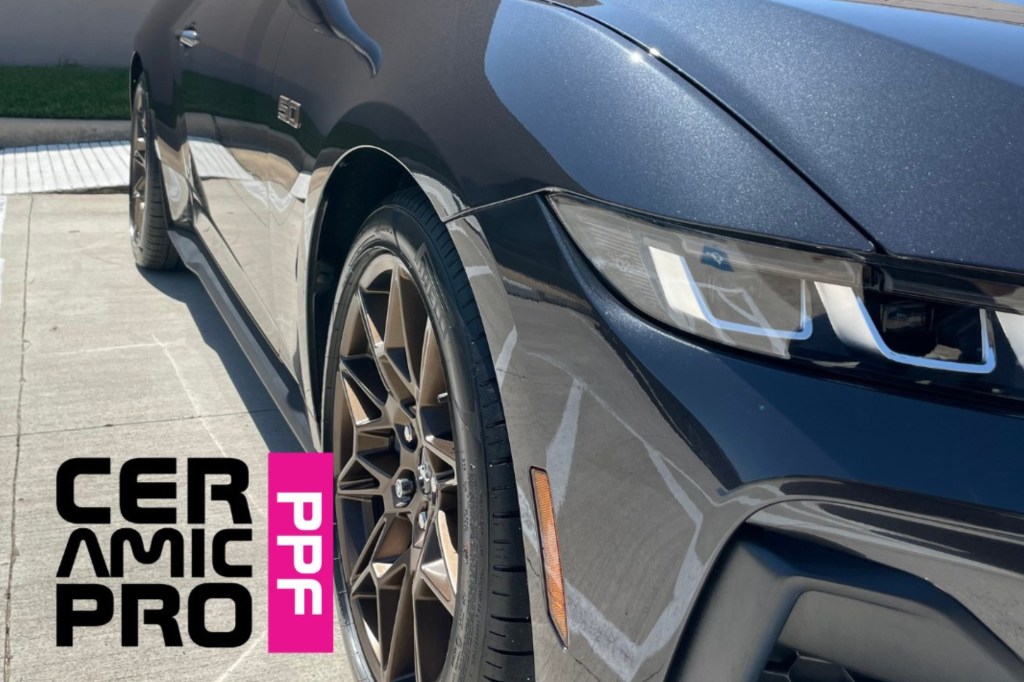
Common Myth About Paint Protection Film
Myth: Protective Film Changes the Appearance of a Vehicle
Some vehicle owners worry that applying protective film will alter the look of their paint or make the finish appear uneven.
Reality
Modern paint protection film is designed to be nearly invisible. Once installed correctly, the film blends with the surface and maintains the vehicle’s original appearance.
Most people cannot detect the film’s presence unless they are specifically looking for it.
This misconception often stems from outdated materials or poor installation techniques.
Why Drivers Continue Choosing Paint Protection Film
As vehicles become more advanced and exterior finishes become more refined, protecting the paint has become a higher priority for many drivers.
Daily commuting, highway driving, and parking in crowded areas can expose vehicles to constant risks. Even minor debris can cause visible damage over time.
Protective film offers a preventative solution that helps shield the vehicle from these everyday hazards while preserving the original finish.
In Summary
Ceramic Pro Arlington offers paint protection film, one of the most reliable ways to prevent scratches and preserve a vehicle’s paint. By forming a transparent protective barrier, the film absorbs impacts from road debris, reduces the appearance of minor surface scratches, and shields the paint from everyday contaminants. For drivers who want to maintain their vehicle’s appearance and condition, this protective layer provides a practical, long-lasting solution. Preventing paint damage before it occurs helps preserve both the vehicle’s finish and its long-term value. To learn more about paint protection options and professional installation, contact us today.
People Also Ask
What is paint protection film?
Paint protection film is a transparent protective layer applied to a vehicle’s painted surfaces to shield them from scratches, chips, and contaminants.
How long does paint protection film last?
When properly installed and maintained, paint protection film can provide protection for several years.
Can paint protection film be removed safely?
Yes. When removed correctly, the film can be taken off without damaging the underlying paint.
Does paint protection film affect the car’s appearance?
No. The film is designed to remain transparent and preserve the vehicle’s original appearance.
Is paint protection film worth it?
Many vehicle owners consider it worthwhile because it helps protect the paint from damage and maintain the vehicle’s overall appearance.
